In 1953, Maya Deren spoke at a Cinema 16 symposium called Poetry and the Film, where she proposed that when film fell into the distinction of poetry it could be contextualized on a vertical or horizontal basis. Horizontal film storylines can be distinguished by the purpose that scenes and dialogue serve to propel the narrative forward. Conventionally, popular cinema conforms to a linear storyline. She distinguishes between horizontal and vertical development in both literature and film.
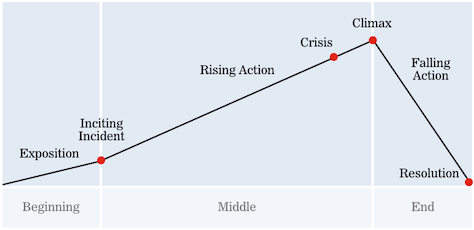
She explains Vertical Development as multiple layers of meaning that arise from poetic expression, which is composed of mood, tone and rhythm. Her vertical theory is concerned with the depth of feeling and expression, rather than what is literally occurring or progressing in the plot. Deren explained that, “from the emotion of a poem one can particularize the incidents which might contain it, whereas in a drama, one generalizes the emotion from the particular instant,” (qtd. in Maas). This is where poetic form, which cultivates depth through association and emotion, lends itself.
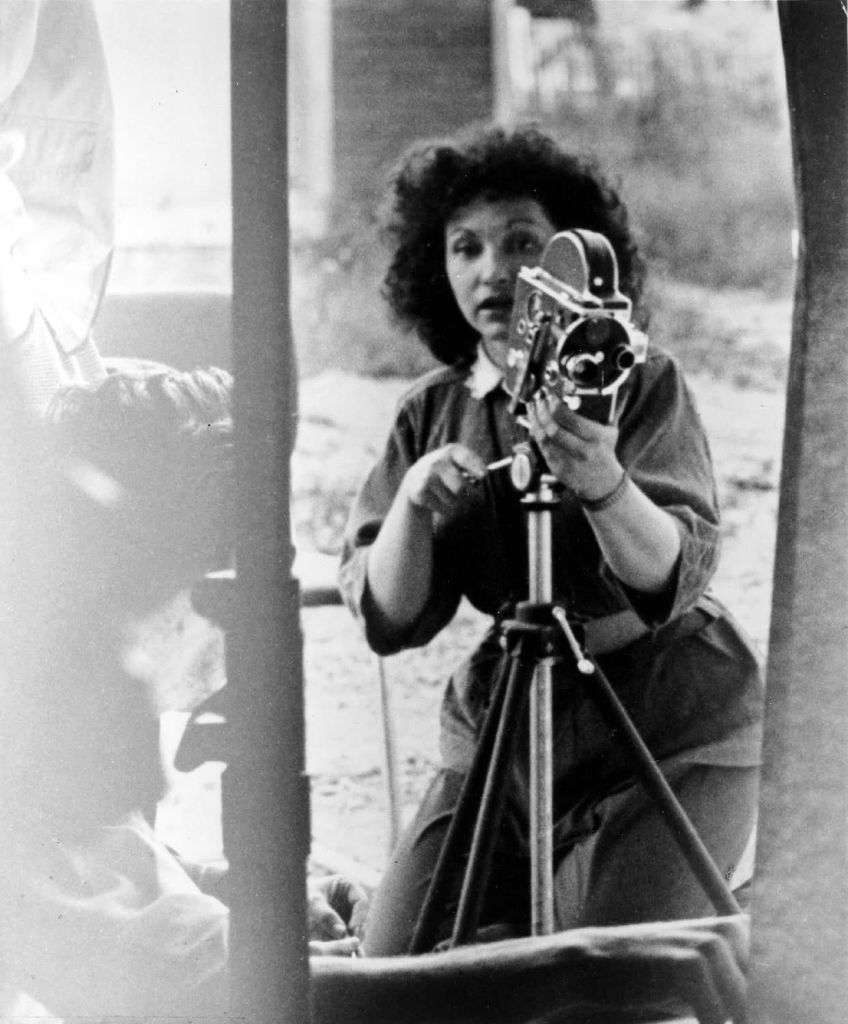
In her film Meshes of the Afternoon, Deren resists the linear progression of the actions in the film with vertical temporality. Deren explains that, “the montage of scenes in Meshes of the Afternoon is poetic form because the clips are held together by an emotion or a meaning that they have in common, rather than by the logical action,” (qtd. in Mass). Peter Todd recognized Deren’s verticality in her film and commented that her film, “does things that sometimes you could say poetry might do, such as different rhythms, repetitions, you might be dealing more with trying to conjure up a mood rather than a narrative,” (Todd qtd. Ieropoulos). The break from following a timeline instead encourages the viewer to contemplate the meaning and what they’re feeling. Her film is concerned less with the storyline developing on screen and more with the feelings that the depth of repetitive symbols, images, sounds and disorientation of the camera incite. The montage of scenes in her film are not sensible in essence, but rather they gain their intensity and depth from their poetic techniques and the emotions they evoke in the viewer.
The poetic tradition is a line of poets who have achieved an elevated state by creating a poem that builds both on existing tradition while also standing on its own, therefore differing from their predecessors. Derens film Meshes of the Afternoon differs from conventional, horizontal development of plot and dialogue that is typically very standard in popular cinema. Using the montage technique, Deren built her film vertically. This reoriented the viewers expectations away from Hollywood production values and traditional linear narratives at the time, which laid the groundwork for future experimental filmmakers. Using the camera and editing techniques, she altered perceptions of time with slow-motion clips and executed jump cuts to break the logical flow of time, which wasn’t very popular in film vernacular until the late 1960s. By using the cinema medium in conjunction with poetic expression, Deren demonstrated the wide capabilities that cinema has for poetic transfigurations.
 Poetics Presentation