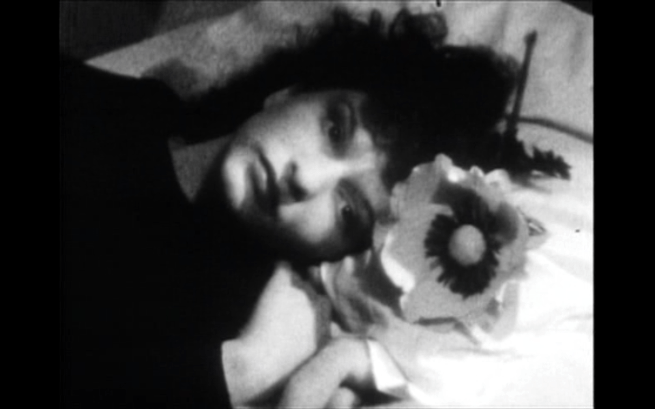
In her film, Meshes of the Afternoon, Deren is positioned as the protagonist in a dreamlike narrative where she is depicted chasing a mysterious cloaked figure. Though she is the central character, the viewers’ attention is directed towards the striking symbolic objects which exhort interpretation. Deren’s choice to position herself as the protagonist in her film reflects her proposition that creating, “begins before the machine…it begins in the mind of the creator,” (qtd. in Maas). The self-referential symbolism behind the intense objects clue into the psychic disturbances of the protagonist and express the state of mind of the creator.
However, symbolism is not circumscribed by the image and also serves as a point of departure for associations and interpretations of the viewer. Therefore, not every object in her film can be viewed through the prism of intention. By nature of the montage technique, the repetition and intensity of varying clips and images also function as superimposition. There is both the literal image and the association with the image. Deren explains the role of association in a lecture she gave about her films at the Cleveland Museum in 1951, “natural phenomena doesn’t intend on anything, as the setting of the sun might be the beginning of an ominous night for one, the end of a perfect day for another. Sun has no intention emotionally, so one may attach any emotions,” (Deren qtd. Ieropoulos). When using the technique of the montage for poetic expression, the images have the power to supplement or contradict the creator’s voice.
Synopsis
In the opening scene of Meshes of the Afternoon, the main character, Deren, spots a mysterious black-clocked figure walking down the street who dropped a flower. She proceeds to pick up the flower and return to her home. As she fumbles for the key to open the door, the key tumbles down the walkway and down the staircase, disorienting the scene. In this illusory state, a motley of dream-like events occur. Once she unlocks her door, the woman finds a telephone left askew on her stairwell playing the busy tone. She decides to take a nap, and begins having dreams that other versions of herself encounter the mysterious black-cloaked figure with a mirror for a face multiple times and repeatedly try to reach him but are unsuccessful. The doubling, shifting and transporting of different versions of herself suggests Deren’s internal conflict. During these encounters, the different versions of the woman also come across repetitive objects, including a record player, key, flower, knife and askew telephone.
Meshes of the Afternoon also explores the fleeting ways in which the unconscious mind of the protagonist works. This is illustrated through distortions of time and jump cuts. Everytime she fails to catch the black-cloaked figure, she returns to her sleeping form on the armchair in her living room. The film intensifies with increasing repetition of the symbolic objects, disorientation of the camera angles and jump cuts of the versions of the protagonist. This not only rattles the perception of time, but also reflects the distrubed and disoriented state of mind of the protagonist. The film ends with the mysterious cloaked figure, who could be interpreted as death, transforming into her lover who bestows her a flower. The flower beside her then transforms into a knife and the woman attempts to use the knife to stab the man. Her perception is once again distorted, and the stab shattered what appeared to be his face into glass shards which then fell into the ocean. The man then arrives home to find the woman dead in the armchair and draped in seaweed.
Symbolism
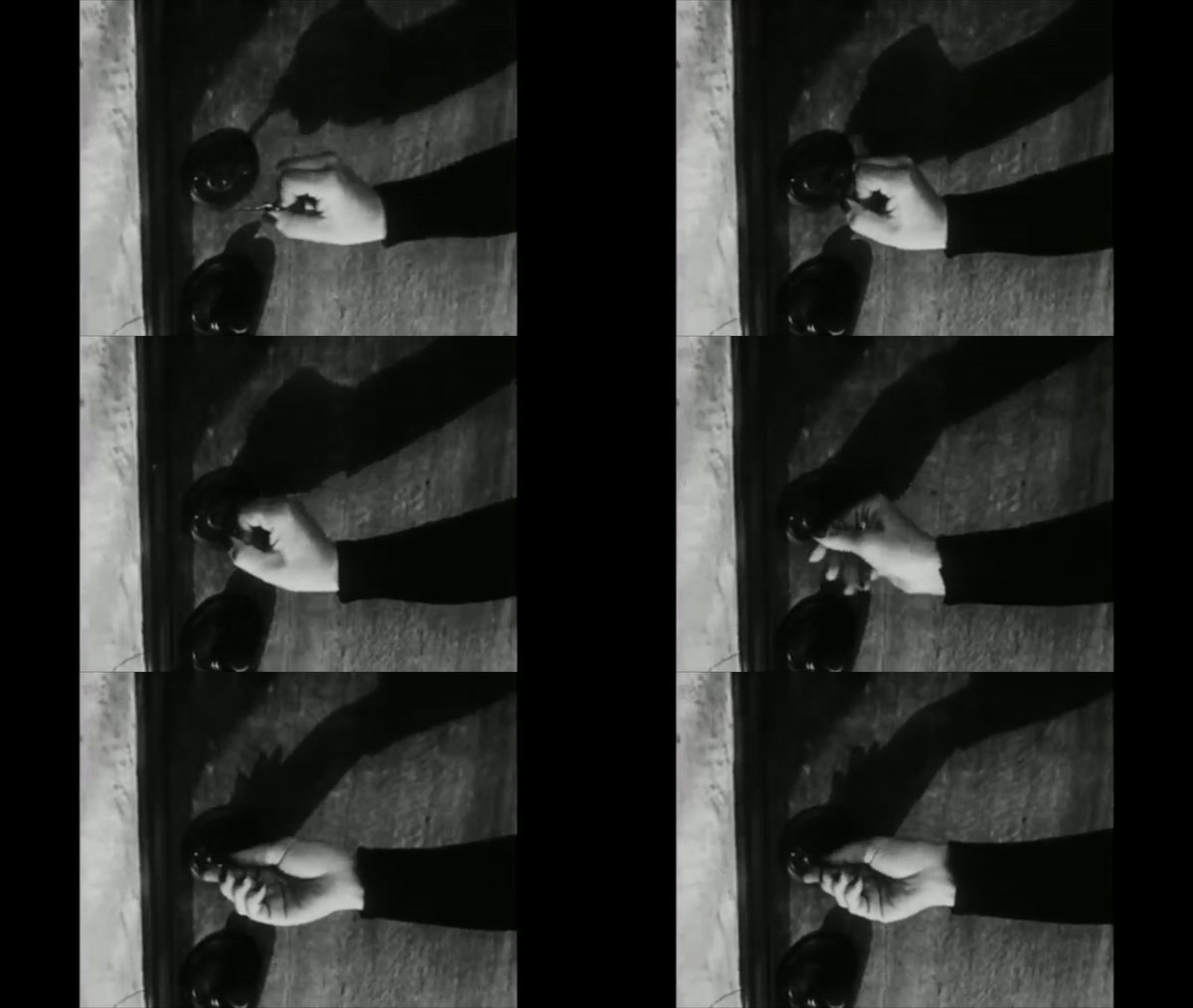
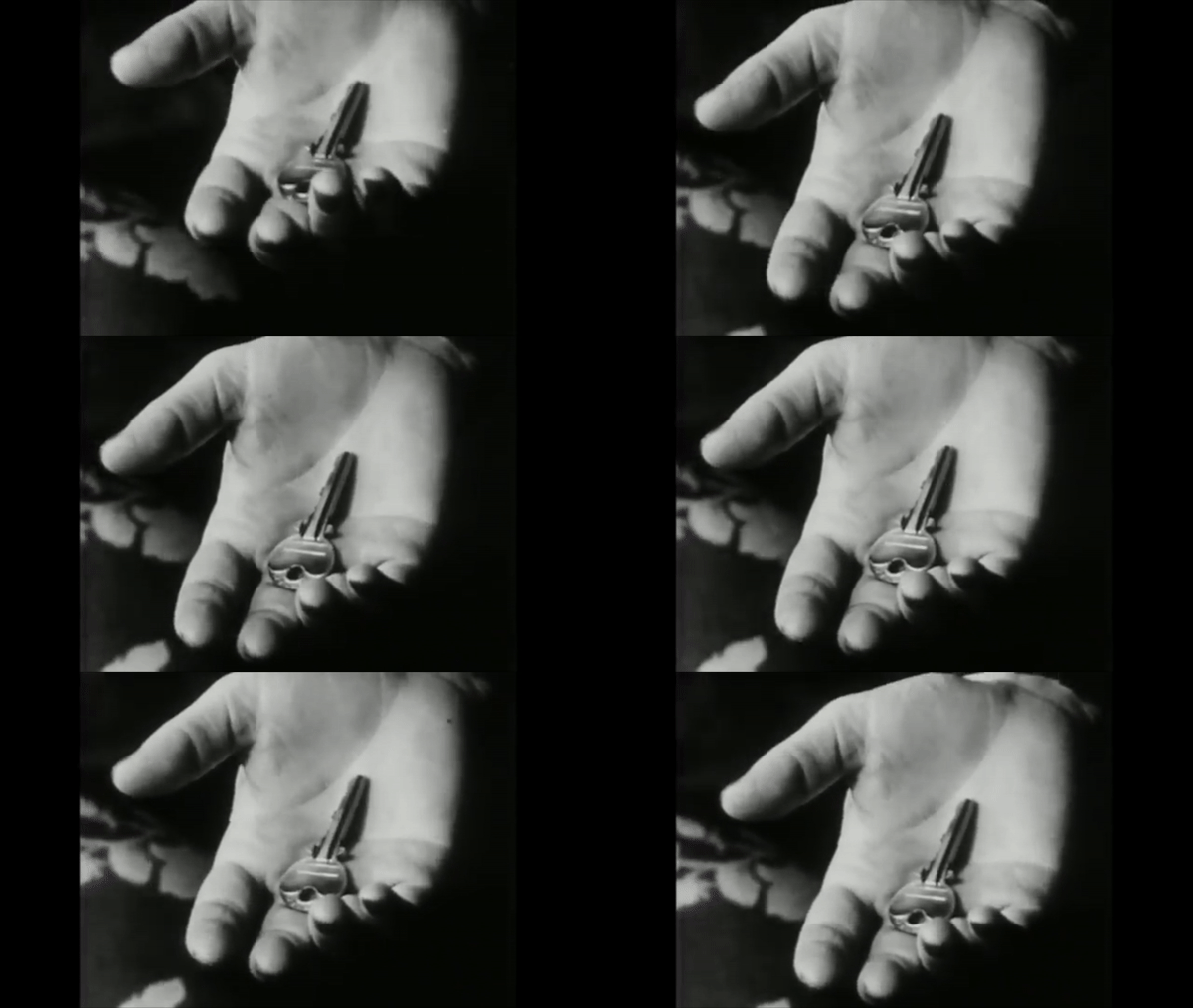
Keys As this film is a personal metaphor, the keys symbolize the opening of herself.
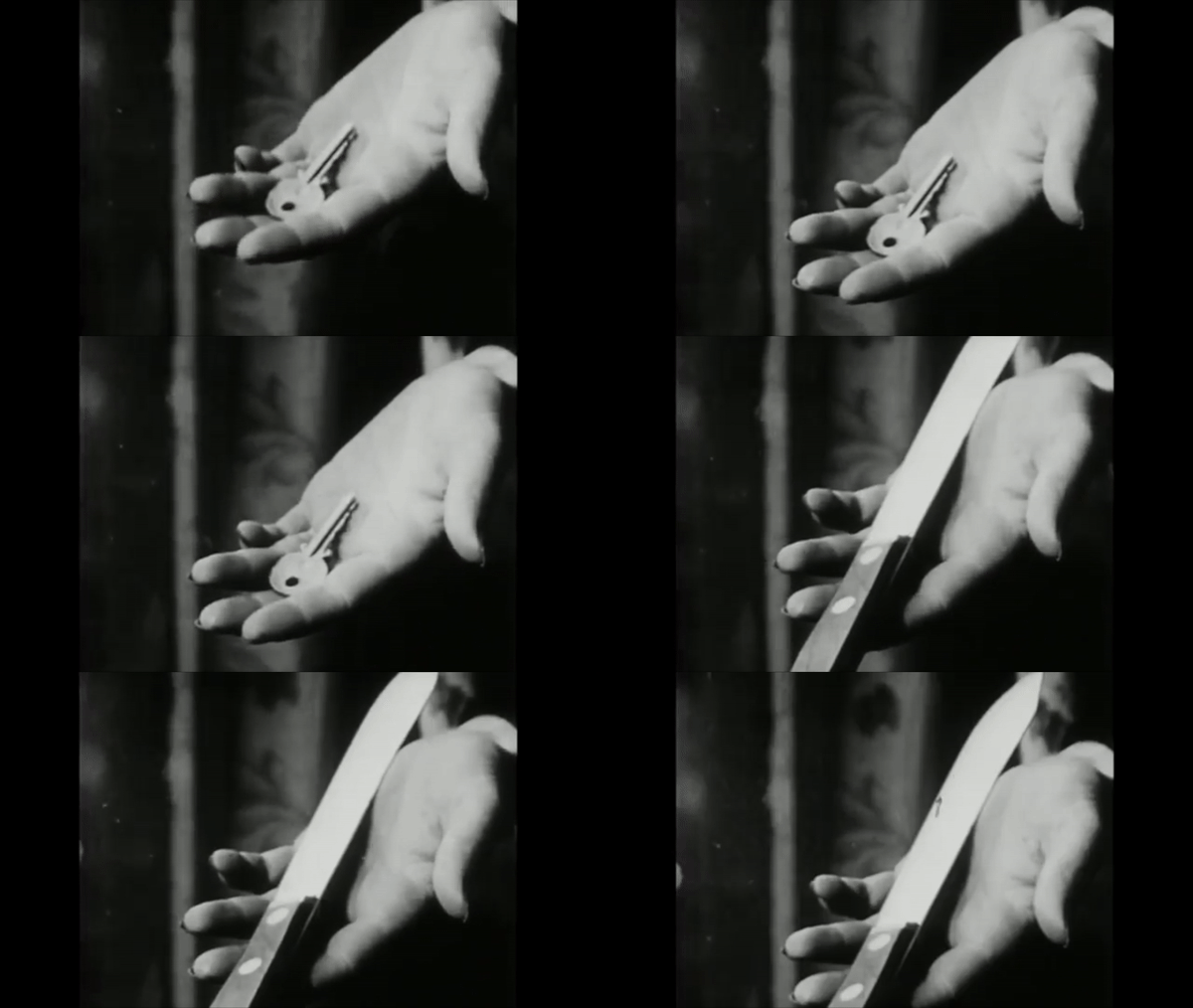
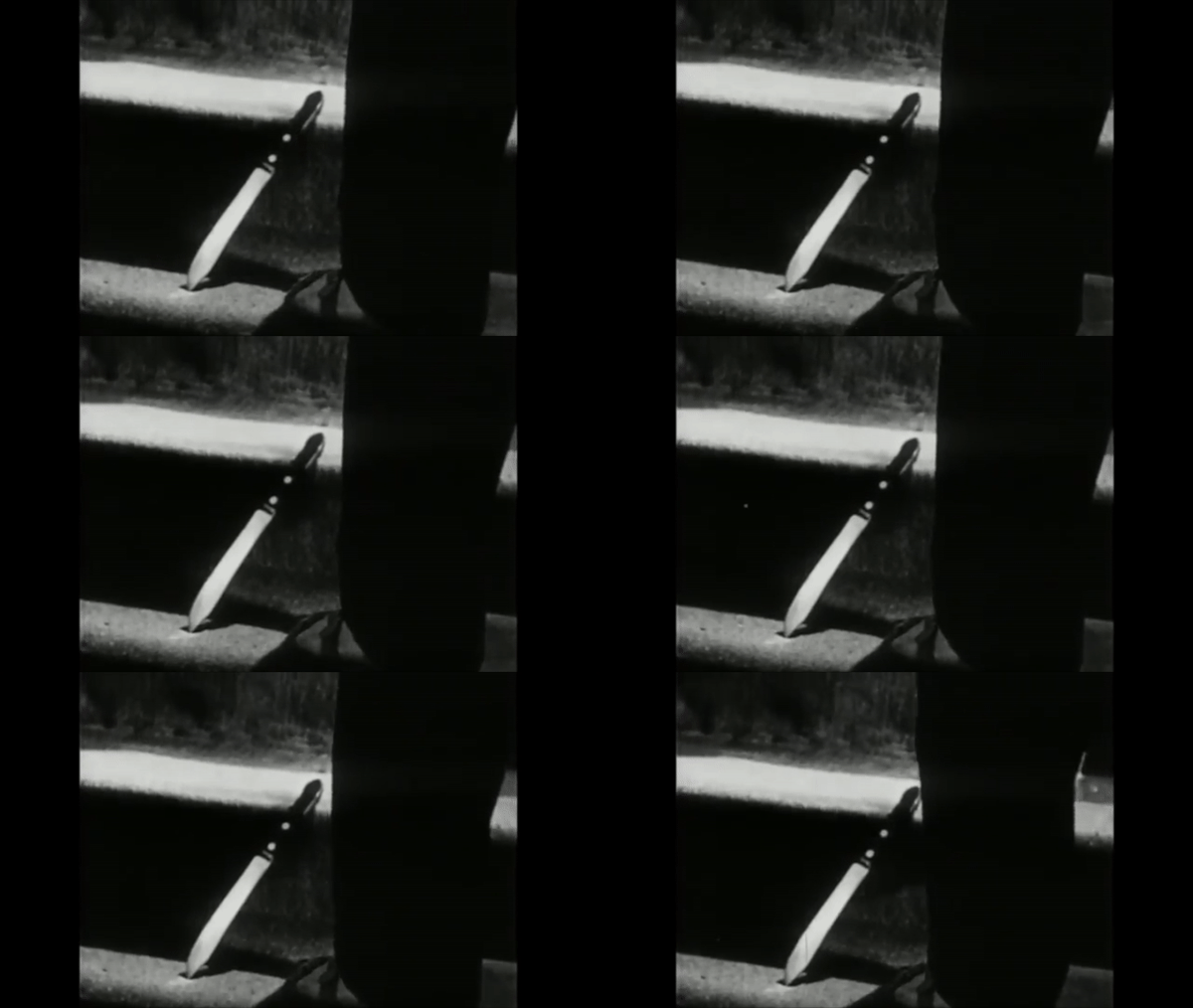
Knives The knives symbolize death and violence.
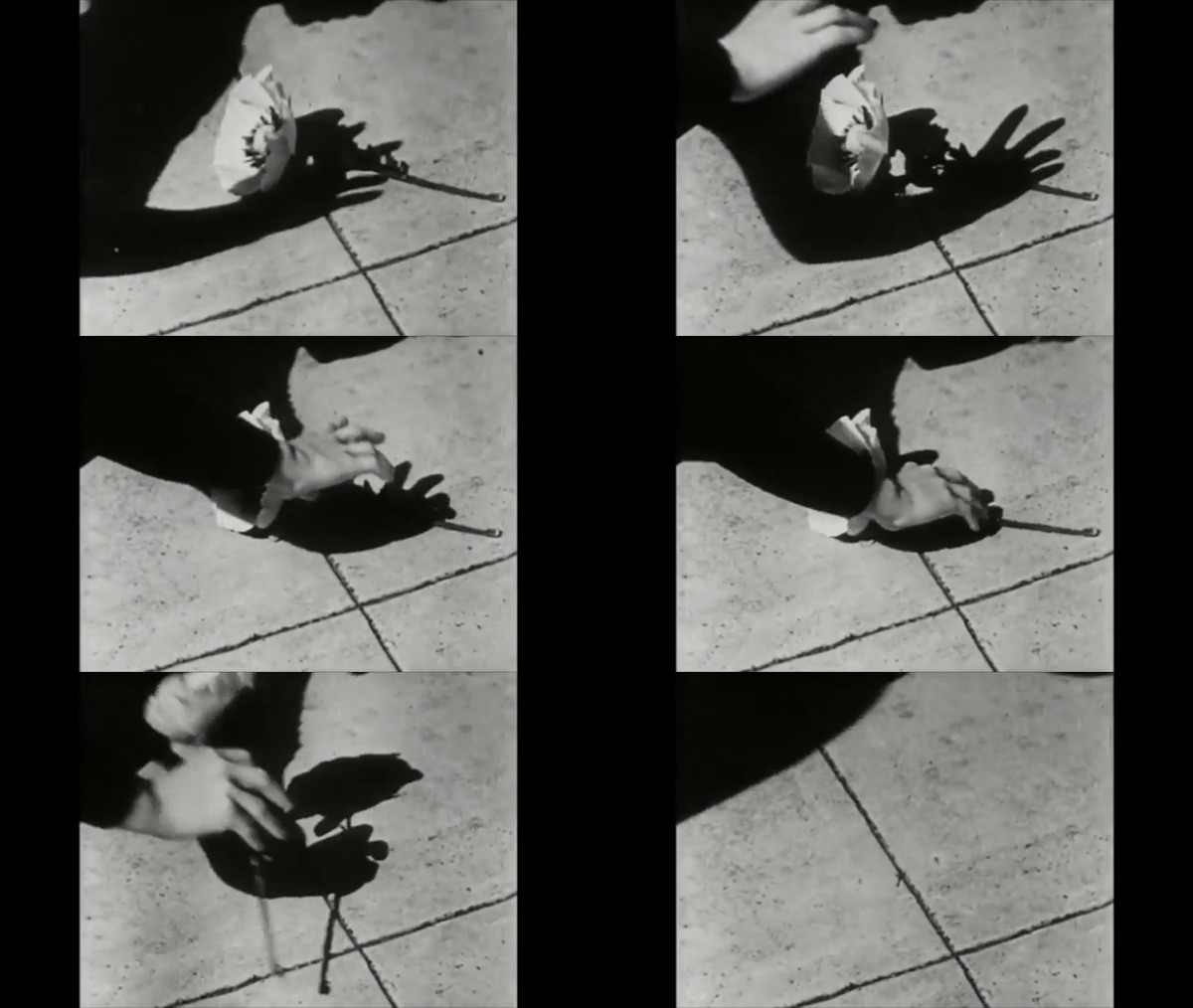
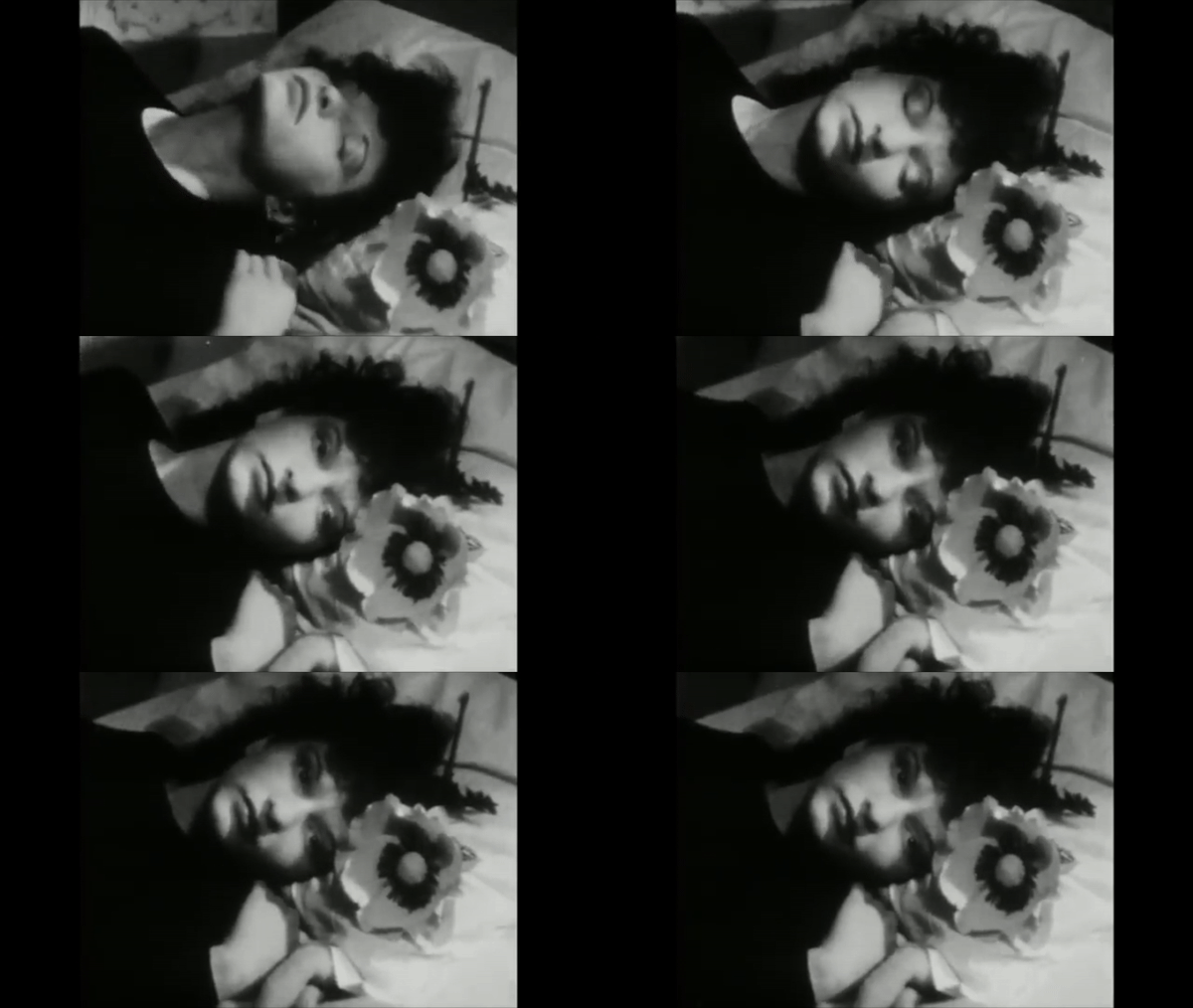
Flower Flowers do not have an intention in itself, where as the knife has a violent implication at a glance. The intention of the flower comes from the viewers association, and whoever is holding the flower in the scene. For instance, the lover placed a flower on the pillow of the main character, and then it transformed into a knife which may symbolize where love ends.
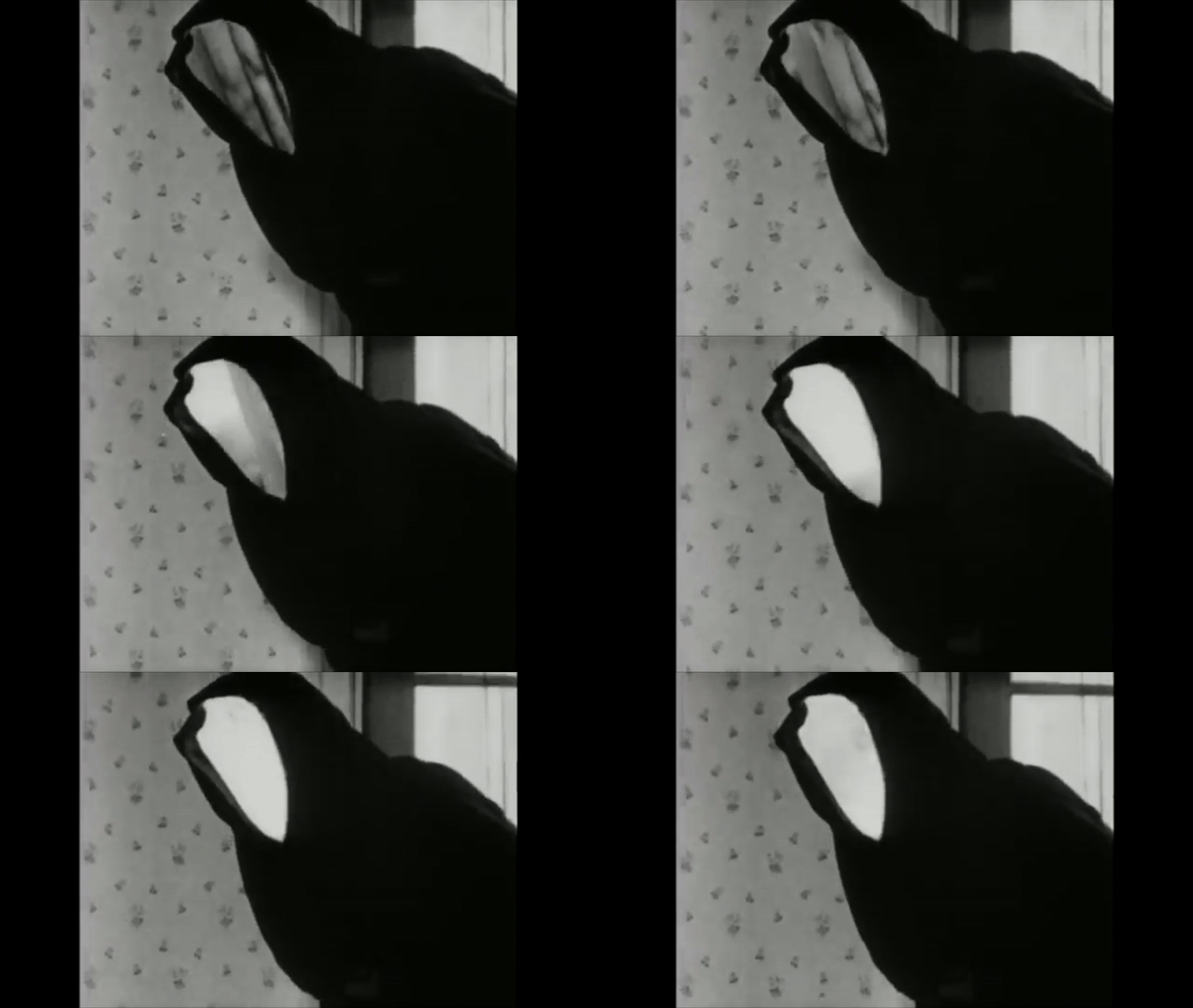
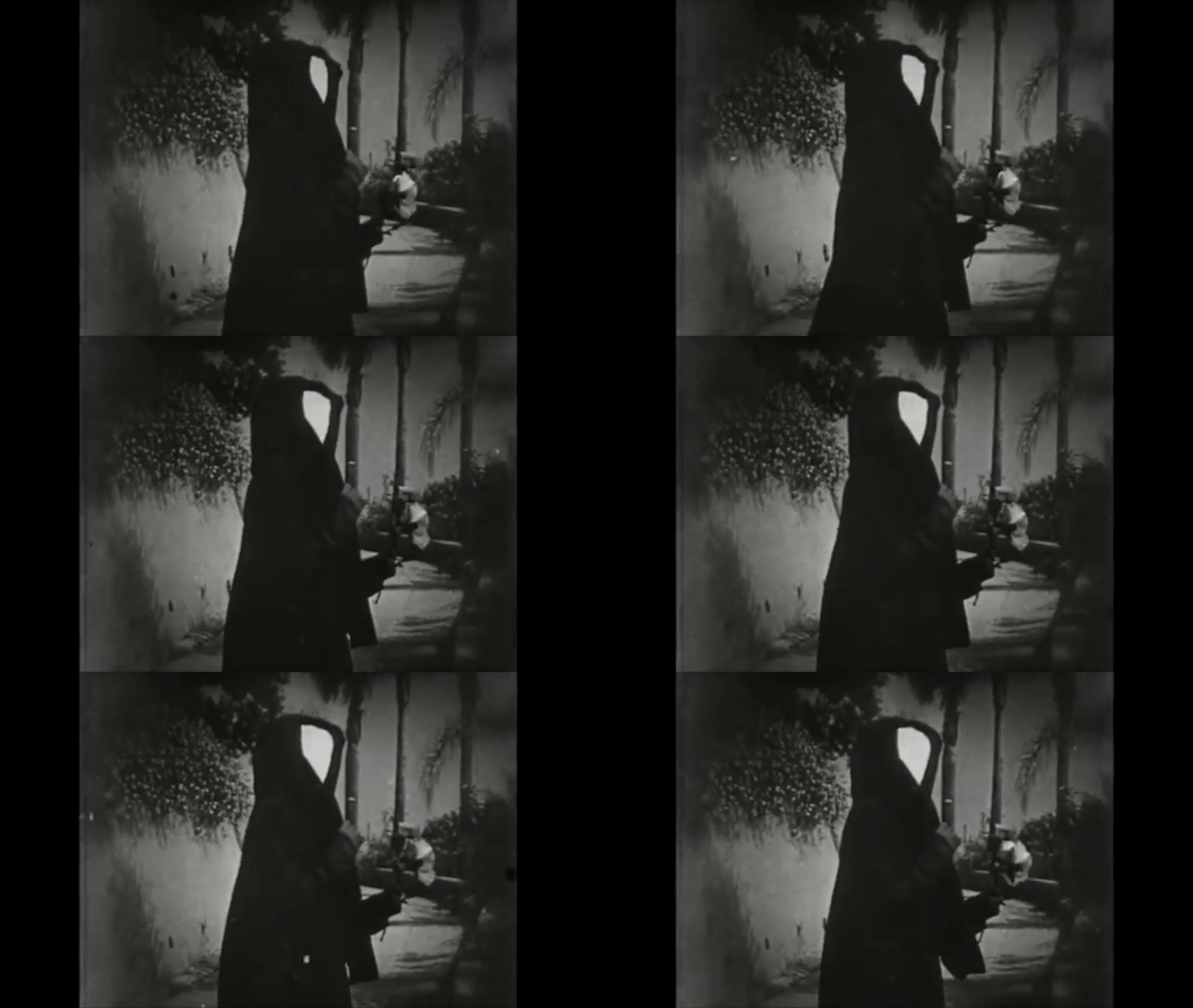
Death Death’s face is a mirror which provokes the protagonist, who is attempting to catch up with the figure, to question her own identity. This interpretation can be gathered from the fact that the camera initially avoids her face, which could suggest her lack of self assurance.
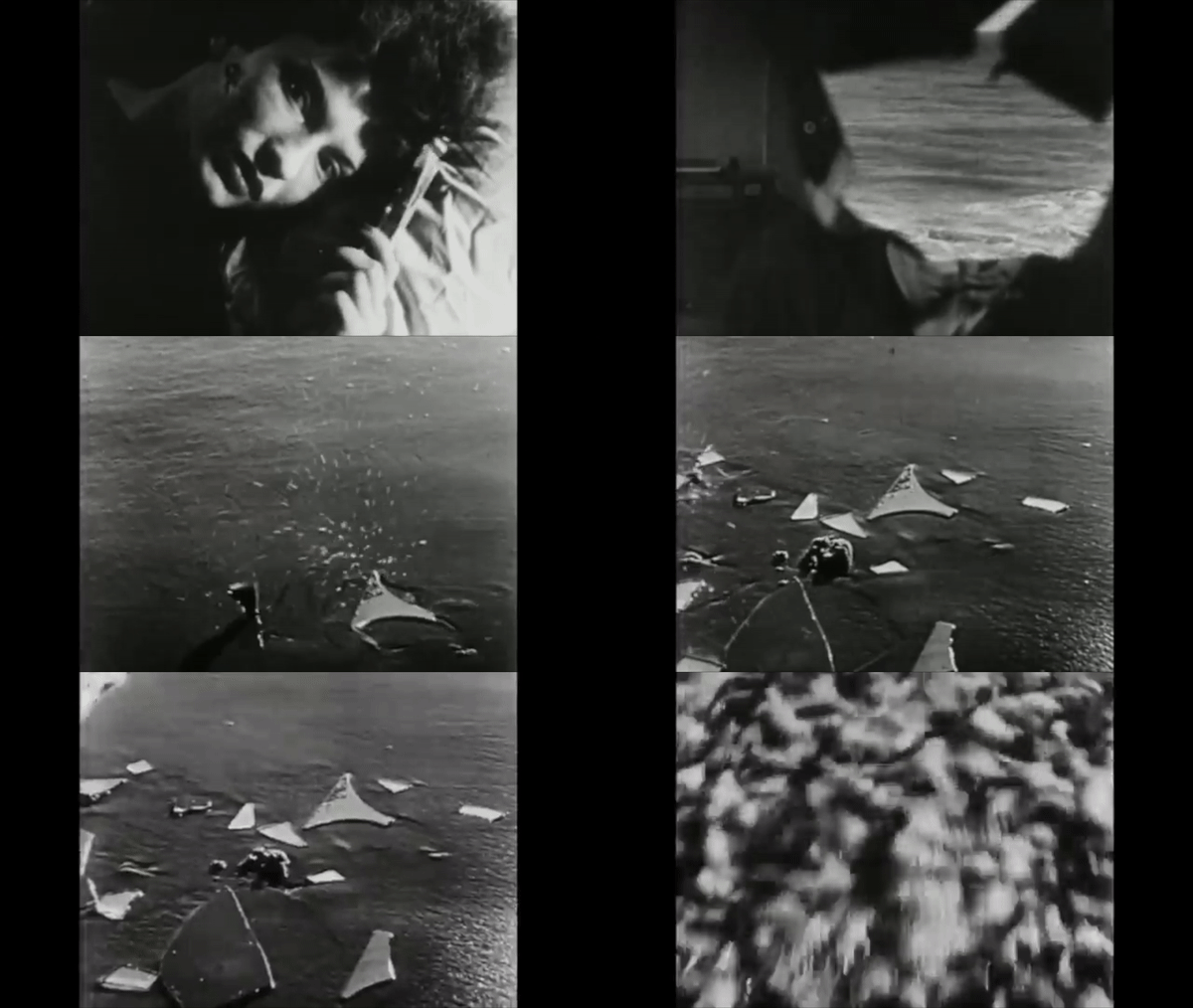
Ending Scene In the ending scene of the short film, death’s face, who Deren initially mistakes for her lover, shatters. This symbolizes the shattering of Deren’s preconceptions about death and herself.
 Poetics Presentation